KUBARK interrogation manual
The SympathizerThe KUBARK interrogation manual is both a training text and a psychological lens in the narrator’s account: Claude teaches from it, and its profile of the guilt-ridden person shapes how he interprets Sonny. The manual offers interrogators categories for understanding a subject’s resistance and possible responses to punishment, but the narrative also marks a boundary between the book’s written guidance and coercive practices that were not in it.
Use in Claude’s Course
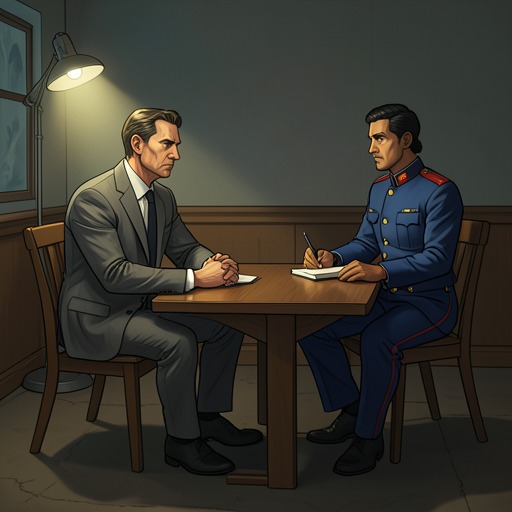
The narrator recalls studying the manual with Claude in an interrogation course. The book sets out several character types an interrogator might encounter, making the task not only a matter of extracting information but also of classifying the person being questioned. Claude later invokes the manual while discussing Sonny, treating its psychological vocabulary as a way to explain the man’s conduct.
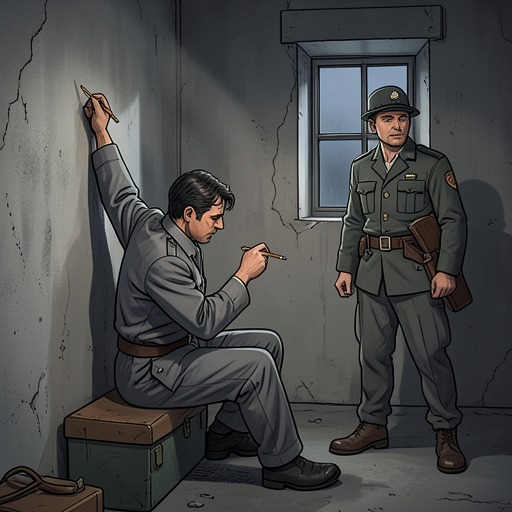
The manual’s influence extends beyond the conversation about Sonny. In recalling the interrogation of a Communist agent, the narrator lists methods used in the room called the movie theater, including the telephone call, the plane ride, the water drum, pins and paper with an electric fan, massage, lizards, spot burns, and an eel. He adds that none of these methods appeared in the book and that even Claude did not know their origins, only that they had been practiced before Claude joined the profession. The distinction presents the manual as a source of instruction, but not as a complete record of the practices carried out by interrogators.
The Guilt-Ridden Personality
Claude identifies Sonny with the manual’s category of the guilt-ridden person. The profile describes someone with a cruel and unrealistic conscience, repeatedly absorbed in guilt and sometimes seeking atonement, while at other times blaming others. Such a person looks for evidence that other people are guiltier, may dwell on having been treated unjustly, and can even provoke mistreatment as a form of punishment.
The manual further suggests that intense guilt may lead a person to stop resisting and cooperate when punished, because punishment itself can bring gratification. This is a conditional psychological claim about a possible response, not a certainty about any individual. The account makes the distinction consequential: the same punishment can function both as coercion imposed by an interrogator and, in the manual’s theory, as something a guilt-ridden subject may seek.
Claude’s Reading of Sonny
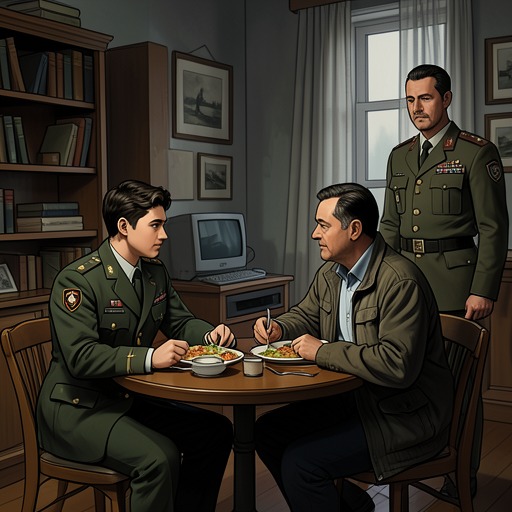
When Claude tells the narrator that Sonny was the guilt-ridden character, the narrator remembers the relevant passage from the manual. Claude’s diagnosis follows a conversation about what the narrator had done: Claude says that, according to The General, the man was asking for it; the narrator rejects that wording, while Claude clarifies that he means the man’s type would be unhappy until facing execution and might answer a firing squad with an insistence that he had been right all along. Claude presents the manual, rather than his own assertion, as the basis for that interpretation.
The narrator allows that Sonny may have fit the profile but refuses certainty. He recognizes that there will be no further opportunity to interrogate Sonny and test Claude’s reading. The manual thus supplies an explanation without resolving the question: it classifies a pattern of guilt and punishment, but cannot establish what Sonny himself felt or intended.
Limits and Narrative Significance
The manual’s psychological taxonomy stands beside scenes of physical coercion without making those practices identical. In the account of the agent’s interrogation, the narrator describes torture methods absent from the book; during the water-torture sequence elsewhere, he also distinguishes the simulated film performance from the actual sensation he says surviving prisoners described. Across these examples, written instruction, performed violence, and the narrator’s retrospective knowledge remain separate kinds of evidence.
That separation gives the manual an uneasy authority. Its categories help Claude convert a person into an intelligible interrogation type, yet the narrator’s uncertainty about Sonny resists treating the category as a complete account of a life. The book can suggest why punishment might elicit cooperation; it cannot settle whether a particular person’s guilt explains his conduct, nor does it encompass every practice carried out in the interrogation room.